

Flame polishing uses extreme heat applied to the area to be enhanced to produce an optically clear finish. Vapor polishing may require the parts to be sanded and cleaned in preparation for polishing with chemical vapor. Solvent polishing uses chemicals applied to the surface to be polished, bringing out the luster of the base material.
Precision Surface Finishing for Visual & Functional Excellence
At Peak, polishing is not a cosmetic afterthought—it’s a precision process tailored to enhance both form and function. Whether your application calls for optical clarity, smooth fluid contact surfaces, or simply a professional finish, our team applies the right technique to deliver consistent, high quality results across plastics like acrylic, polycarbonate, and more.
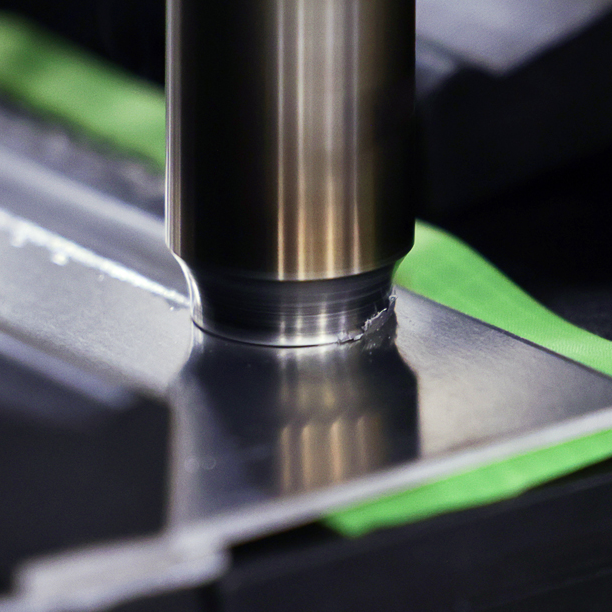
Polishing Techniques That Match the Application
Flame Polishing applies controlled heat to smooth sharp edges and create a clear, glass-like finish.
Vapor Polishing chemically treats surfaces after prep work to reduce haze and surface roughness —ideal for medical and optical components.
Solvent Polishing uses chemical surface activation to restore or enhance luster on complex geometries or fine-featured parts.